
Last Updated :
October 8, 2026
Home InsuranceHome Warranty vs. Homeowners Insurance: What’s the Difference?
Homeowners insurance and home warranties cover very different things. Learn what each protects, what lenders require, and when you may need both.
Key Takeaway
Homeowners insurance covers sudden losses like fire and theft, while a home warranty is a service contract for system and appliance breakdowns from normal wear. The post explains why the two products don't overlap and why mortgage lenders require one but not the other.
Home what? Homeowners often confuse these two similar sounding home protection policies, especially at closing when both come up at the same time.
But here’s the thing: they cover completely different items, and mixing them up can leave you paying out of pocket for something you thought was covered.
Here’s what each one actually does.
What Does Homeowners Insurance Cover?
Homeowners insurance covers sudden, unexpected losses like fire, theft, windstorms, lightning, and injuries on your property. A standard policy can help pay to repair your home, replace belongings, cover liability costs, and pay extra living expenses after a covered loss. It doesn't cover wear and tear, like an aging HVAC system.
According to the Insurance Information Institute, a standard homeowners policy covers four things:
- The structure of your home – repairs or rebuilds if damaged by a covered event
- Your personal belongings – typically 50–70% of your structure coverage amount
- Liability protection – covers legal costs if someone is injured on your property
- Additional living expenses – living expenses like hotels if a covered loss makes your home temporarily unlivable
Mortgage lenders typically require homeowners insurance as a condition of your loan. It is not usually optional.
There are some exceptions to homeowners insurance you should be aware of. Standard policies generally do not cover flood damage, earthquake damage, mold, pest infestations, or normal wear and tear. That last one is where a home warranty fits in.
What Is a Home Warranty, and What Does It Cover?
A home warranty is a service contract, not an insurance policy. It may cover repair or replacement costs when systems and appliances, like your HVAC, plumbing, electrical, water heater, or major appliances, break down from normal use. You pay a service fee per visit, and coverage varies by plan.
A typical plan covers:
- HVAC systems (heating and air conditioning)
- Plumbing and electrical systems
- Major appliances: refrigerator, dishwasher, washer/dryer, oven
- Water heater
When something breaks, you call the warranty company, pay a service call fee, and a technician is dispatched. Annual plans fluctuate in cost depending on what is covered and the area you live in - but its important to remember that this is completely separate from your home insurance policy.
What a home warranty does not cover: pre-existing conditions, improper maintenance, structural damage, or anything caused by a sudden event like a storm or fire. Those belong to your insurance policy.
How Do a Home Warranty and Homeowners Insurance Compare?
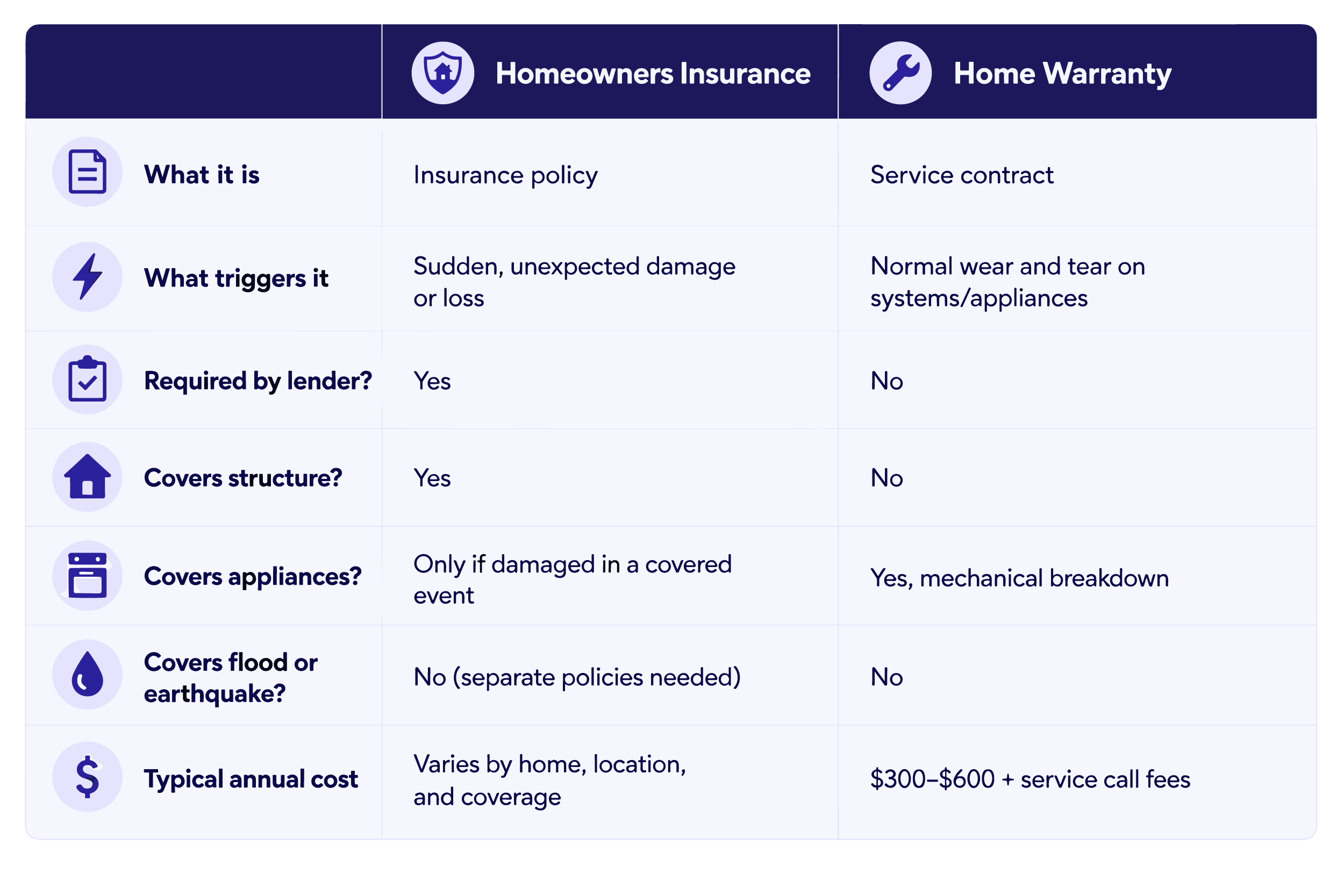
Insurance pays for sudden damage from events like fire or storms and is usually required by your lender. A home warranty pays for systems and appliances that wear out over time and is optional. The two don't overlap. The table below shows what each one covers.
Is a Home Warranty Required, or Do You Need Both?
No, a home warranty isn't required. Lenders typically require homeowners insurance, but a warranty is optional. Some buyers add one for older systems and appliances or more predictable repair costs in the first few years. It doesn't replace insurance, and it won't satisfy your lender.
Your homeowners insurance will not pay when your 12-year-old furnace stops working in January. That’s wear and tear, not a covered event. Likewise, your home warranty will not help when a tree falls through your roof. That’s what insurance is for.
A home warranty may be worth considering if your home has older systems and appliances, or if you want more predictable repair costs in the first few years of ownership. It is not a replacement for insurance, and it will not satisfy your lender.
What's the Difference Between a Home Warranty and Homeowners Insurance?
Homeowners insurance covers sudden, unexpected losses. A home warranty covers the everyday breakdown of systems and appliances over time. You need insurance if you have a loan. A warranty is a personal, non-required decision, based on your home’s age and your tolerance for repair surprises.
Not sure if your homeowners insurance is keeping pace? Compare quotes from multiple carriers and make sure your coverage still fits your home.
Covered is a licensed insurance agency. Not all carriers or products are available through Covered. Availability varies by state. Compensation may be received from carriers.


.svg)
.svg)